A range is two appliances sharing one body, and that is what makes the maytag range repair or replace question different from the same question about a dishwasher. The oven can fail while the cooktop is perfect, or the reverse, and half a working appliance is still worth something. The decision turns on which half failed, how old the machine is, and — the part people discover late — what replacing it would do to your cabinets.
Start by separating the two halves
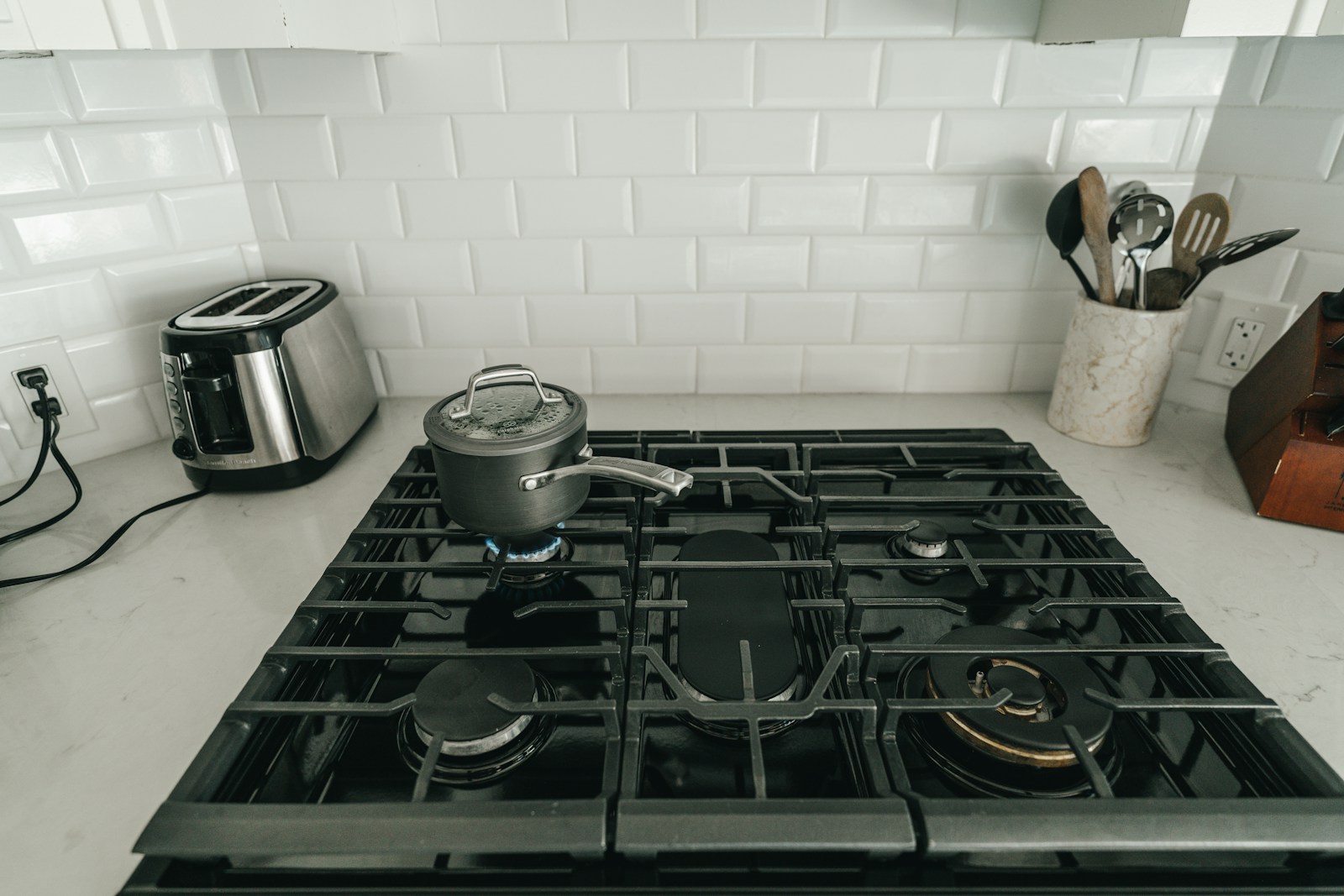
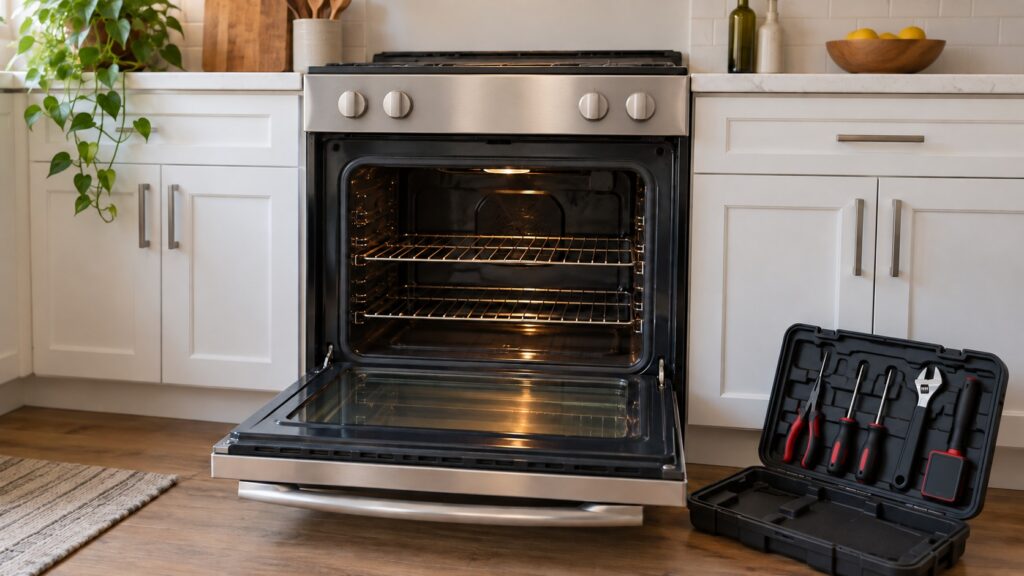
Before anything else, establish what actually failed. A range where the oven will not heat but all four burners work is a very different proposition from one where the oven is fine and the cooktop is dead. The first is usually one part — an igniter on gas, a bake element on electric, or a temperature sensor. The second, on an electric range, often points at the control or the switches rather than the elements.
The reason this matters: a single-function failure on an otherwise sound machine is nearly always worth repairing, because you are restoring a whole appliance by fixing one part. Our oven heating troubleshooting guide and the burner ignition guide will usually tell you which half you are dealing with.
The age test, used honestly
A range in the first half of its expected life with a single failed part is a repair, near enough every time. A range past its expected life facing a major component is where judgment starts.
The useful question is not “is this repair worth it” in isolation but “what else is likely in the next two years”. A fifteen-year-old range that has already had a control board and now needs an element is telling you something that a fifteen-year-old range with its first fault is not. Count the previous repairs, not just the years.
What replacement really costs you
People compare the repair against the sticker price of a new range and stop there. The rest of the bill is:
- Delivery and haul-away of the old machine, which is rarely included.
- Connection. Gas means a qualified connection and a leak test; electric may mean a cord that does not match the outlet.
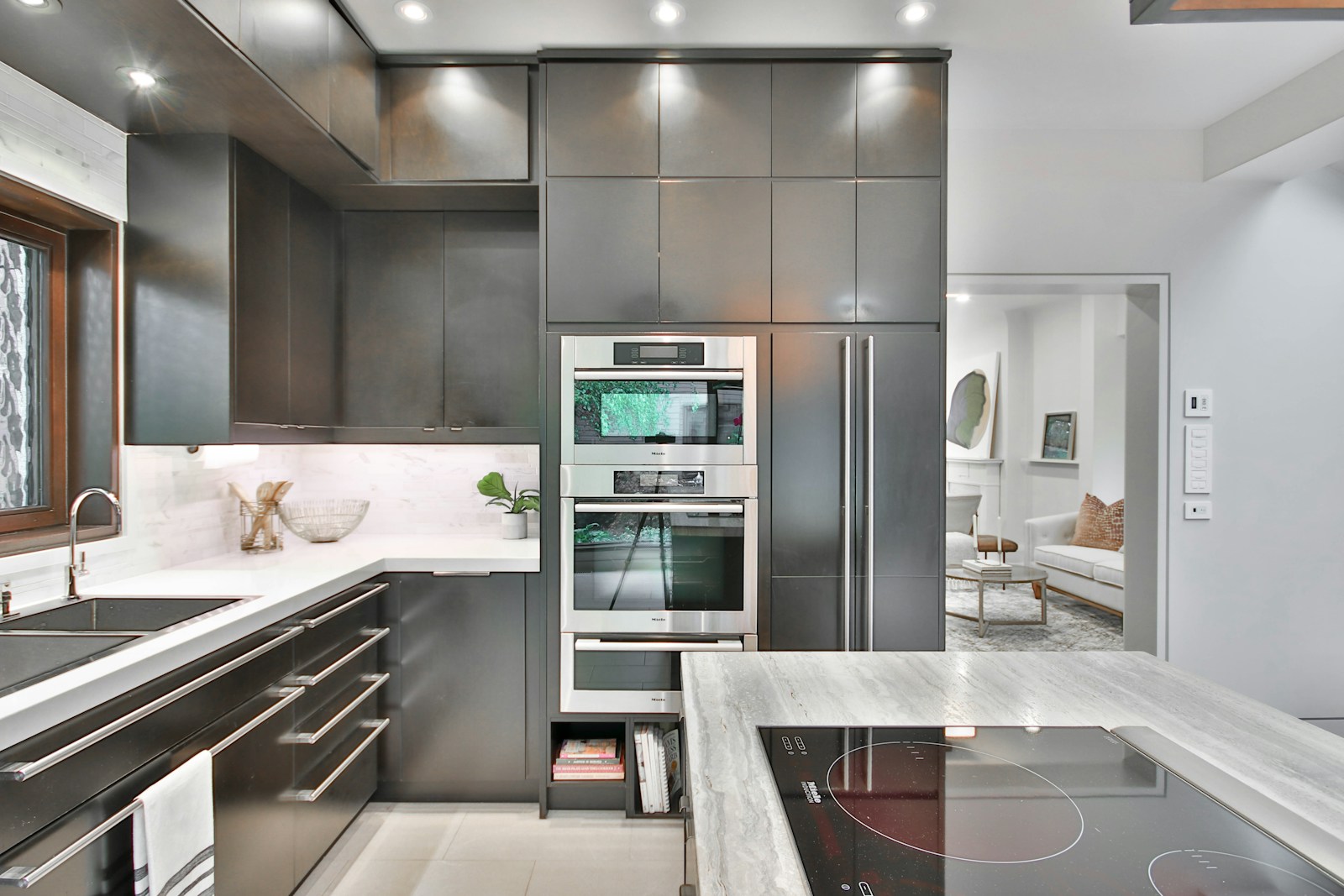
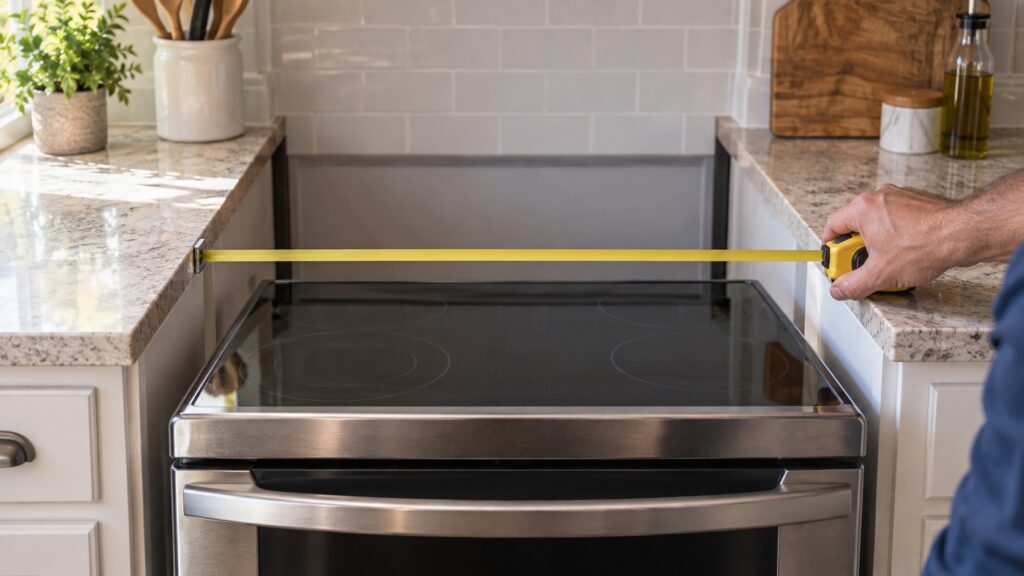
- Fit. Freestanding ranges are broadly interchangeable. Slide-in models are cut into the countertop and cabinet run, and a new one that is a fraction different leaves a gap or does not go in at all.
- Countertop damage. Removing a slide-in that has been sealed to a stone counter for a decade does not always end cleanly.
- Time without a stove, which is longer for a replacement than for a repair.
The fit issue is the one that surprises people. If your range sits flush in a cabinet opening, measure the opening before you shop, not after the delivery slot is booked.
The failures that end the conversation
Some findings settle it. A cracked ceramic cooktop is not repairable as a surface — the glass is a single piece and it is an electrical and cutting hazard once broken. Damage to a gas manifold or valve body is a safety matter, not a cost matter. Serious rust in the frame or the oven cavity floor means the structure is going, and no part addresses that.
A self-clean cycle that has taken out the control board, the door lock and the thermostat in one event is also usually the end, not because any single part is unavailable but because the total is out of proportion to what is left. Our self-clean guide covers why that cycle is harder on a range than people expect.
What is almost always worth fixing
Igniters are a consumable and they are meant to be replaced. Bake and broil elements are straightforward. Temperature sensors are inexpensive and are behind a large share of “the oven runs hot” complaints — and before replacing one, it is worth checking whether the oven simply needs calibrating, which our calibration guide walks through.
Door hinges, springs and gaskets are worth doing because a door that no longer seals wastes energy on every cycle and cooks unevenly. Surface switches and infinite switches on electric ranges are small parts with large symptoms.
Parts availability, the quiet deciding factor
Manufacturers support parts for a defined period after a model leaves production, and once that window closes the calculation changes whatever the appliance looks like. A control board still in production is a straightforward order; the same board for a discontinued model may only exist as a refurbished unit with no warranty behind it.
Ask about availability as part of the diagnosis. It is the difference between “this is fixable now and fixable again in three years” and “this is fixable once, and next time it will not be.” Neither answer is bad news by itself, but you should know which one you have before you decide.
A practical way to decide
Get a diagnosis before you get a quote on a new machine. A firm answer about which part failed turns a vague judgment into a simple comparison, and the diagnosis is a small fraction of either path. Then weigh the repair against the full replacement cost — appliance plus fitting plus any cabinet work — rather than against the sticker.
If the machine is past its expected life, has a repair history, and the fault is a major component, replacement is usually the right call. In every other combination, repair is.
When to call
Call for a diagnosis when the oven will not reach temperature, when burners will not light or hold flame, when the control panel is unresponsive, or when a self-clean cycle has left the appliance dead. Call immediately, and shut the gas off, if you smell gas at any time.
We are an independent repair company and not a factory service arm. Pricing starts from a diagnostic visit and we confirm the estimate before any work begins — including telling you when we think replacing makes more sense than repairing. Maytag range repair covers ignition, heating, controls and doors, and you can schedule a visit online.